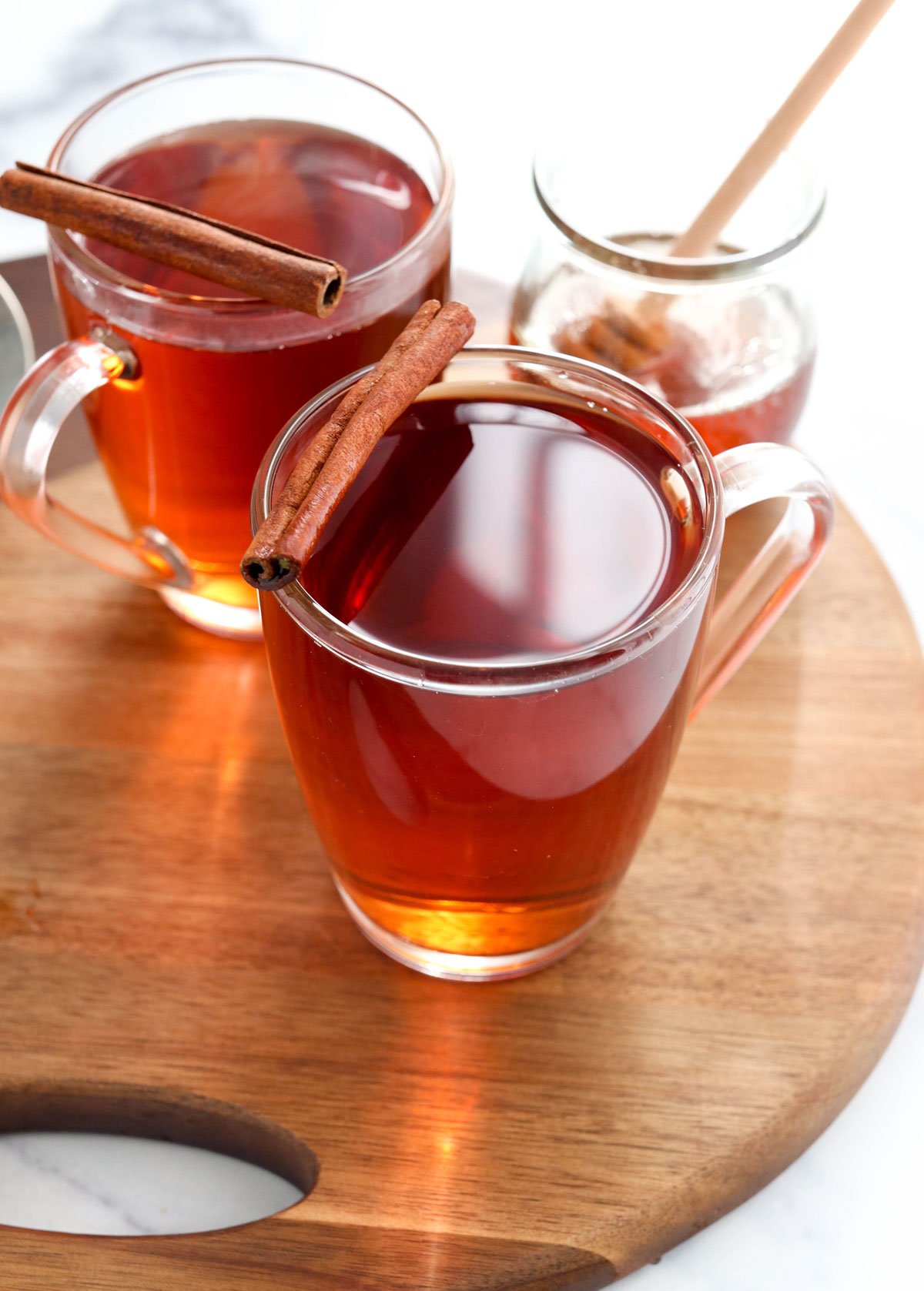
In a world constantly seeking natural remedies and comforting rituals, few beverages offer the simplicity, warmth, and potential health benefits of a humble cup of cinnamon tea. This aromatic infusion, cherished across cultures for centuries, is surprisingly easy to create right in your own kitchen, even if you don't have cinnamon sticks on hand. Whether you're looking to soothe your senses, support your well-being, or simply enjoy a delicious, naturally sweet drink, understanding how to make cinnamon tea using readily available powdered cinnamon is a game-changer. Forget complicated recipes; prepare to unlock a world of flavor and wellness with just a few simple steps.
The Wonder of Cinnamon Tea: More Than Just a Drink
Cinnamon isn't just a beloved spice; it's a powerhouse of beneficial compounds. Its distinctive warmth and sweet, woody aroma translate beautifully into a tea that offers more than just a pleasant taste. Traditional medicine systems like Ayurveda and Chinese medicine have long revered cinnamon for its therapeutic properties, using it to address a range of ailments from the common cold to indigestion. Modern research continues to explore and confirm many of these historical claims, highlighting cinnamon's potential to:
- Regulate Blood Sugar: Cinnamon has been widely studied for its ability to improve insulin sensitivity and lower blood sugar levels, making cinnamon tea a popular choice for those looking to manage glucose.
- Offer Anti-Inflammatory Properties: Rich in antioxidants, cinnamon can help combat oxidative stress and reduce inflammation throughout the body, potentially easing discomfort and supporting overall cellular health.
- Aid Digestion: A warm cup of cinnamon tea can help soothe an upset stomach, alleviate indigestion, and stimulate healthy digestive function.
- Boost Antioxidant Defenses: Cinnamon is packed with powerful antioxidants that protect the body from damage caused by free radicals.
- Support Heart Health: Some studies suggest cinnamon may help lower cholesterol levels and blood pressure, contributing to cardiovascular well-being.
The type of cinnamon you choose can subtly influence both the flavor and potential health benefits of your tea. Ceylon cinnamon, often called “true cinnamon,” is native to Sri Lanka and has a milder, sweeter, and more delicate flavor profile. It contains very low levels of coumarin, a compound that can be harmful to the liver in large quantities when consumed in excessive amounts. Cassia cinnamon, on the other hand, is the more common and affordable variety found in most grocery stores. It boasts a bolder, spicier, and more intense flavor and contains higher levels of coumarin. While both offer impressive benefits, opting for Ceylon cinnamon, especially if you plan to consume it regularly in larger quantities, might be a preferable choice for some due to its lower coumarin content.
How to Make Cinnamon Tea with Powdered Cinnamon: A Step-by-Step Guide
Making cinnamon tea with powdered cinnamon is incredibly convenient and quick. While cinnamon sticks offer a robust, slow-release flavor, powdered cinnamon provides an instant aromatic hit and is usually readily available in most kitchens. The key is mastering the technique to achieve a smooth, flavorful brew without unwanted grittiness. Here’s your comprehensive guide on how to make cinnamon tea using this versatile spice:
- Boil Quality Water (1 Cup / 8 Ounces): Begin by bringing fresh, filtered water to a rolling boil in a kettle or saucepan. The quality of your water significantly impacts the final taste of your tea, so opting for filtered water is always recommended to ensure a clean, pure base for your infusion.
- Measure Your Cinnamon (½ to ¾ Teaspoon): Add ½ to ¾ teaspoon of high-quality ground cinnamon to a heat-resistant mug. This amount is a great starting point for a single serving. Adjust according to your personal preference for intensity – some like a stronger kick, others prefer a milder note. Remember, using too much can sometimes lead to a bitter taste, so it's always better to start small and add more next time if desired. Ensure your cinnamon is fresh; stale cinnamon loses its potent aroma and flavor.
- Bloom the Cinnamon (Optional but Highly Recommended): This step is a secret weapon for maximizing flavor and minimizing grittiness. Gently pour a small amount of the boiling water (about 2 tablespoons) over the cinnamon powder in your mug. Stir it briefly to create a paste. Allow it to sit for approximately 30 seconds. This "blooming" process helps to awaken and release the cinnamon’s essential oils, intensifying its flavor and aroma, similar to how coffee grounds are bloomed. It also helps the fine particles absorb water, making them less prone to clumping and settling more smoothly.
- Pour and Stir Thoroughly: Slowly pour the remaining boiling water into the mug, directly over your bloomed cinnamon mixture. Immediately stir vigorously to ensure the cinnamon is fully incorporated and evenly distributed throughout the water. Continuous stirring during this phase helps prevent the powder from clumping at the bottom.
- Steep and Settle (3-5 Minutes): Allow your tea to steep for 3 to 5 minutes. This crucial time allows the flavors to fully develop and meld. During steeping, you'll notice much of the finely ground cinnamon powder gradually settling to the bottom of the mug. For a richer flavor, tea expert Steve Schwartz suggests that cinnamon needs to steep longer than true tea, even recommending up to 15 minutes of simmering for sticks, so don't be afraid to let your powdered version steep a little longer if you prefer a more robust infusion.
- Strain for Smoothness (Optional but Recommended): For the smoothest possible sip, straining your tea is highly recommended, especially if you are sensitive to texture. Use a fine-mesh sieve, a dedicated tea strainer, or even a coffee filter to remove any residual cinnamon particles. This step is particularly beneficial when using powdered cinnamon to ensure a clean, grit-free experience. For a quick guide to a flavorful and smooth brew, you might find more specialized tips on Powdered Cinnamon Tea: Quick Guide to Flavorful & Smooth Brew.
- Sweeten to Taste (Optional): If you prefer a sweeter brew, this is the time to customize. Add a touch of honey, maple syrup, agave nectar, or your preferred natural sweetener. Start with a small amount, stir, and taste, adding more until it reaches your desired sweetness. Cinnamon itself has a naturally sweet essence, so you might find you need less sweetener than you think.
- Enjoy Your Warm Elixir! Sip slowly and savor the comforting warmth, spicy aroma, and sweet flavor of your freshly made homemade cinnamon tea.
Maximizing Flavor & Minimizing Grittiness: Expert Tips for Your Brew
Achieving the perfect cup of cinnamon tea from powder is an art that can be refined with a few expert insights:
- Always Opt for Fresh Cinnamon: Ground cinnamon, like any spice, loses its potency over time. Stale cinnamon will yield a flat, muted flavor. Check the expiry date and store your cinnamon in an airtight container in a cool, dark place to preserve its essential oils and vibrant taste.
- Don't Skip the Bloom: As mentioned in the steps, blooming the cinnamon powder with a small amount of hot water truly makes a difference. This crucial step wakes up the spice, allowing its aromatic compounds to fully release into your tea, resulting in a more profound and aromatic brew.
- Effective Straining Methods: If a perfectly smooth tea is your goal, consider various straining options. A fine-mesh sieve is commonly available. For even finer particle removal, line your sieve with a coffee filter. Alternatively, some specialized tea infusers are designed to hold very fine powders, though they might still let through some micro-particles.
- Whisk to Prevent Clumping: If you find the blooming step still leaves some clumps, try whisking the cinnamon powder with a very small amount of cold water first to create a thin slurry before adding the hot water. This can help ensure an even dispersion.
- Consider Brewing Temperature: While boiling water is ideal for initial extraction, some argue that slightly off-boiling water (around 200°F or 93°C) can prevent certain bitter notes from developing, especially with Cassia cinnamon. Experiment to see what temperature yields your preferred balance of flavor.
Beyond the Basics: Customizing Your Cinnamon Tea Experience
Once you’ve mastered the basic recipe for how to make cinnamon tea, the possibilities for customization are endless. Elevate your brew with these creative additions:
- Spice it Up: Infuse other warm spices alongside your cinnamon. A pinch of ground ginger, a whole star anise, or a couple of cardamom pods can add layers of complexity and additional health benefits. For ground spices, add them during the blooming stage.
- A Zesty Twist: A squeeze of fresh lemon juice or a thin slice of lemon wheel can brighten the flavor profile of your cinnamon tea, adding a refreshing tartness that complements the spice beautifully.
- Creamy Indulgence: For a more decadent treat, stir in a splash of your favorite milk or plant-based alternative (almond, oat, or soy milk) after steeping. This creates a comforting, latte-like consistency, perfect for a cozy evening.
- Sweetener Variations: Explore beyond honey or maple syrup. A dash of vanilla extract, a few drops of stevia, or even a tiny piece of date can naturally sweeten your tea while adding unique flavor notes.
- Iced Cinnamon Tea: On a hot day, transform your warm brew into a refreshing iced tea. Simply brew your cinnamon tea as usual, allow it to cool completely, and then pour it over ice. Garnish with a lemon wedge or a cinnamon stick for a delightful summer beverage.
For more insights into comparing brewing methods and maximizing your cinnamon tea's potential, explore Mastering Cinnamon Tea: Powdered vs. Sticks & Best Practices.
From supporting overall health to providing a moment of comforting solace, homemade cinnamon tea is a delightful addition to any daily routine. Its simplicity and versatility make it accessible to everyone, and with the tips provided, you can consistently brew a cup that is both incredibly flavorful and wonderfully smooth. So go ahead, warm up your kettle, grab your cinnamon, and enjoy the healthful, aromatic embrace of this timeless beverage.
